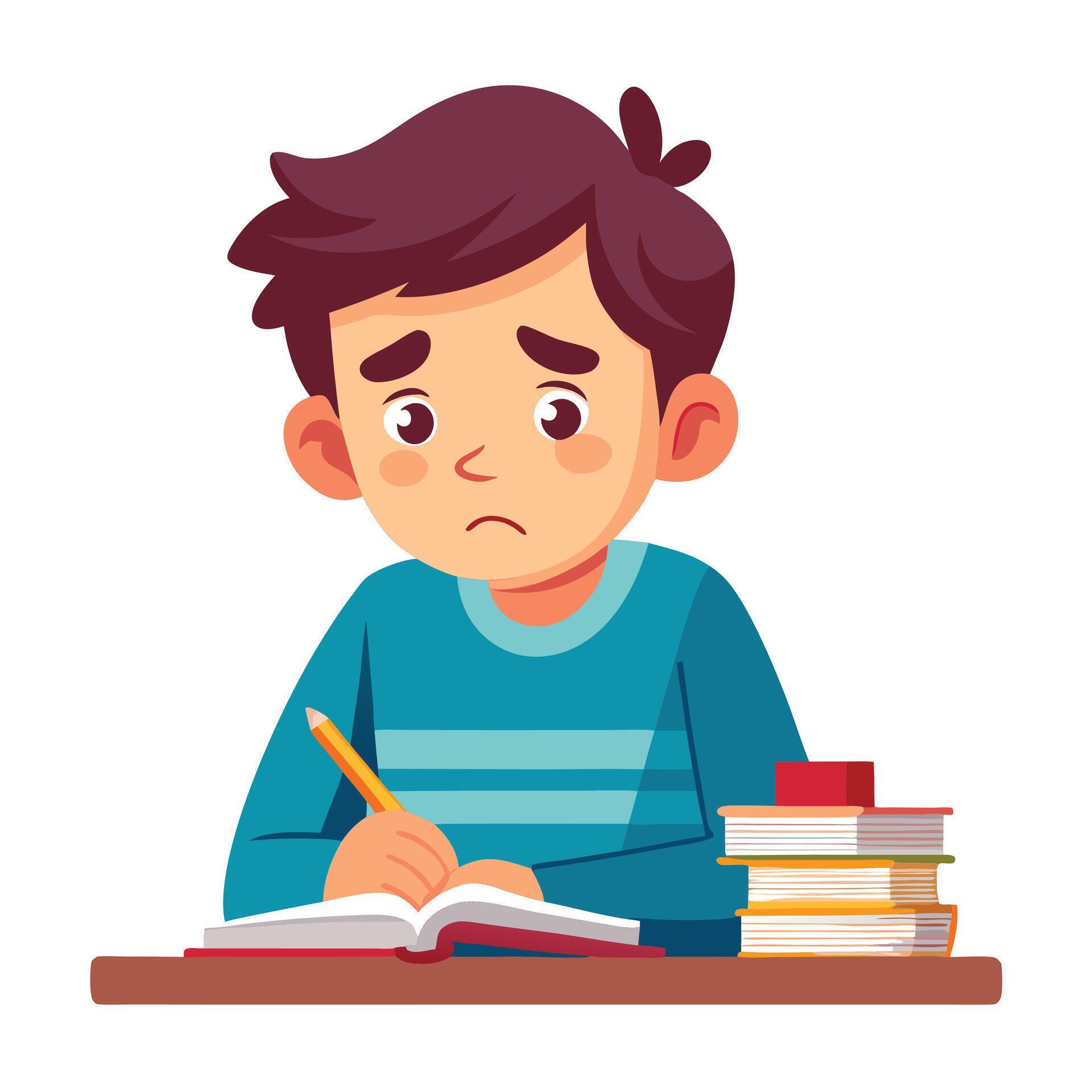
“Miss, I don’t get it,” Max would sigh and say,
vexed by villainous u, o, i, e, a.
Those horrid vowels made spelling so hard,
much paper was scribbled on, smudged and scarred.
Love of writing was diminishing fast,
yet imagination held worlds so vast.
“Now, don’t give up, Max!” us teachers would cry.
“Just reach for those stars up there in the sky.”
Max’s brow darkened, his lips often shook
until one dark day, a bold move he took.
Vowels were incomprehensible to him,
so he chucked them out, threw them in the bin.
Words took on a strangely different look,
not penned in the style you’d find in a book.
Yet to him, and to us, they made more sense;
poems emotional, strong and intense.
Wntry cld blstd; nw-brn chcks quvrd,
while us teachers clucked, exclaimed and shivered.
This genius child whose words excited,
ditching vowels, word-joy was reignited.

8/23/2026
The Words That Got to Me
with “imagination held worlds so vast.” you show us Max isn't a bad writer, he just struggles to get his words onto the paper. The real moment comes when we see “Wntry cld blstd; nw-brn chcks quvrd,” and can actually read it. If vowels are the problem, then get rid of the bloody things.
Suggestions / Possible Tweaks
“while us teachers clucked…” I did stumble over this a bit, as my brain was trying to say “while we teachers clucked…”
This is not simply a funny poem about a child who can't spell. Instead, it brings us Max, a child who uses his own logic to solve a problem and kicks the obstacle firmly to the sidelines. This really gets one thinking: what actually is the purpose of language and writing? Max shows that it is not always necessary to follow convention in order to communicate thought.”