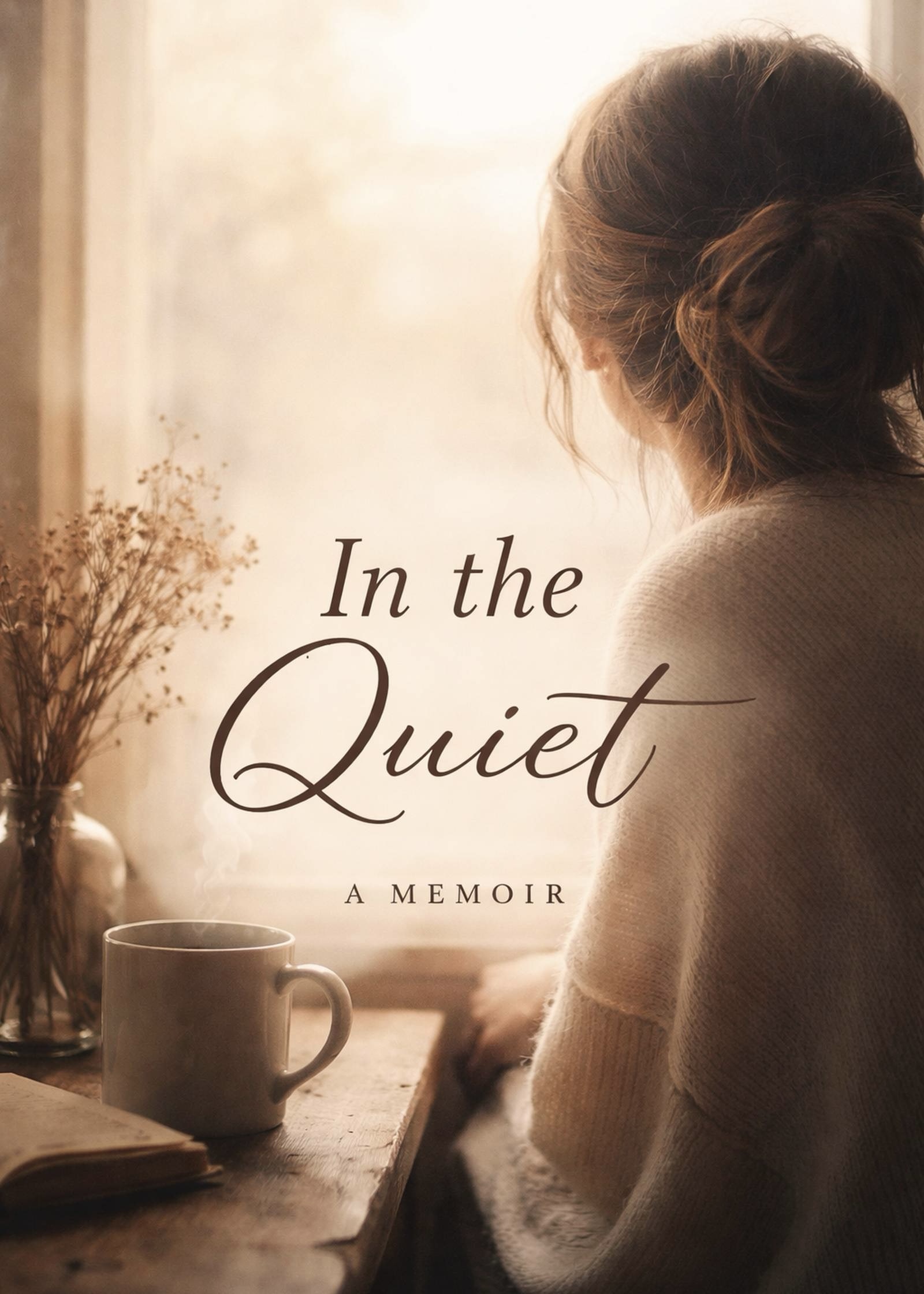
 A heart doesn't always break like a bomb going off. Sometimes it breaks quietly -- in the soft click of a door closing behind you, or the pause before you answer when your phone lights up with his name. Sometimes it breaks in the silence after you say I love you and nothing comes back.
People talk about leaving as if it's the hardest part. They rarely talk about the cost of staying.
Staying doesn't take everything from you all at once. It drains you slowly, the way a faucet leaks when you keep meaning to fix it. You tell yourself it's manageable. You adjust. You adapt. You learn how to live with the sound.
Until one morning you catch your reflection in the mirror and don't recognize the woman looking back.
Her shoulders curve inward, as if she's learned to take up less space. Her eyes look dull, not from age but from endurance. She smiles because she remembers that she's supposed to. The smile doesn't reach her eyes. It never does.
You stand there a moment longer than necessary, toothbrush in hand, wondering how you got here.
Leaving is loud. It's final. It demands courage and certainty. Most days, I didn't have either.
For a long time, I believed love was measured by how much you were willing to endure. I believed loyalty meant staying quiet. I believed that if I held on long enough, tried hard enough, believed deeply enough, it would all mean something in the end.
I didn't know then what staying would cost me. I didn't know how easy it is to confuse hope with survival, or how convincing a familiar story can be when you're afraid of what happens after it ends.
What I lived next doesn't sound real when I say it out loud. People usually laugh first, the way they do when something feels exaggerated. Then they stop. Someone always says it sounds like a movie.
I used to think that meant it was special.
Now I understand it just means it was extreme.
I didn't know any of that when I was nineteen. I didn't know how much of myself I was about to give away in the name of love, or how long it would take to recognize myself again.
This is the story of how that happened.
A heart doesn't always break like a bomb going off. Sometimes it breaks quietly -- in the soft click of a door closing behind you, or the pause before you answer when your phone lights up with his name. Sometimes it breaks in the silence after you say I love you and nothing comes back.
People talk about leaving as if it's the hardest part. They rarely talk about the cost of staying.
Staying doesn't take everything from you all at once. It drains you slowly, the way a faucet leaks when you keep meaning to fix it. You tell yourself it's manageable. You adjust. You adapt. You learn how to live with the sound.
Until one morning you catch your reflection in the mirror and don't recognize the woman looking back.
Her shoulders curve inward, as if she's learned to take up less space. Her eyes look dull, not from age but from endurance. She smiles because she remembers that she's supposed to. The smile doesn't reach her eyes. It never does.
You stand there a moment longer than necessary, toothbrush in hand, wondering how you got here.
Leaving is loud. It's final. It demands courage and certainty. Most days, I didn't have either.
For a long time, I believed love was measured by how much you were willing to endure. I believed loyalty meant staying quiet. I believed that if I held on long enough, tried hard enough, believed deeply enough, it would all mean something in the end.
I didn't know then what staying would cost me. I didn't know how easy it is to confuse hope with survival, or how convincing a familiar story can be when you're afraid of what happens after it ends.
What I lived next doesn't sound real when I say it out loud. People usually laugh first, the way they do when something feels exaggerated. Then they stop. Someone always says it sounds like a movie.
I used to think that meant it was special.
Now I understand it just means it was extreme.
I didn't know any of that when I was nineteen. I didn't know how much of myself I was about to give away in the name of love, or how long it would take to recognize myself again.
This is the story of how that happened.Back to Stories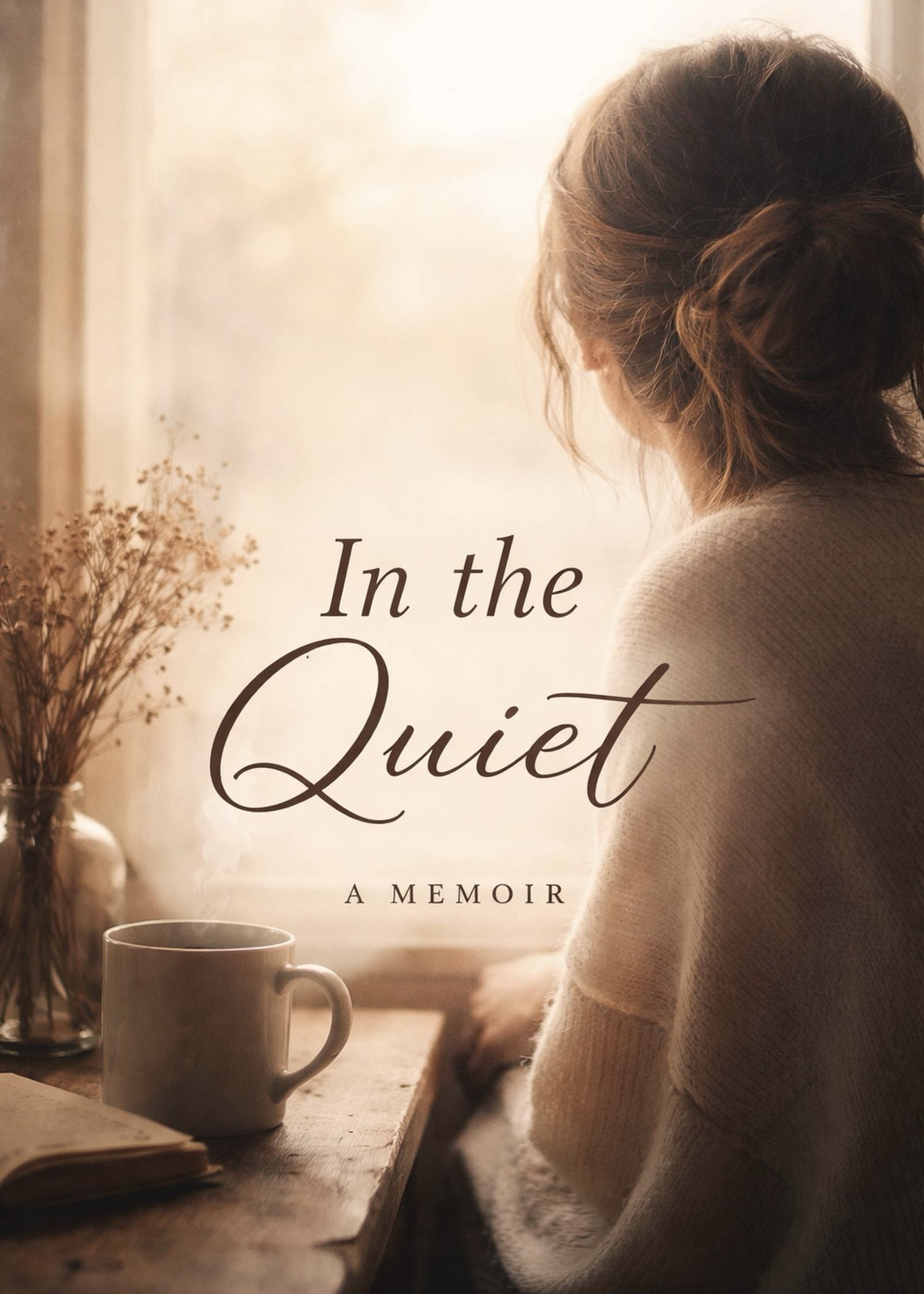
A heart doesn't always break like a bomb going off. Sometimes it breaks quietly -- in the soft click of a door closing behind you, or the pause before you answer when your phone lights up with his name. Sometimes it breaks in the silence after you say I love you and nothing comes back.
People talk about leaving as if it's the hardest part. They rarely talk about the cost of staying.
Staying doesn't take everything from you all at once. It drains you slowly, the way a faucet leaks when you keep meaning to fix it. You tell yourself it's manageable. You adjust. You adapt. You learn how to live with the sound.
Until one morning you catch your reflection in the mirror and don't recognize the woman looking back.
Her shoulders curve inward, as if she's learned to take up less space. Her eyes look dull, not from age but from endurance. She smiles because she remembers that she's supposed to. The smile doesn't reach her eyes. It never does.
You stand there a moment longer than necessary, toothbrush in hand, wondering how you got here.
Leaving is loud. It's final. It demands courage and certainty. Most days, I didn't have either.
For a long time, I believed love was measured by how much you were willing to endure. I believed loyalty meant staying quiet. I believed that if I held on long enough, tried hard enough, believed deeply enough, it would all mean something in the end.
I didn't know then what staying would cost me. I didn't know how easy it is to confuse hope with survival, or how convincing a familiar story can be when you're afraid of what happens after it ends.
What I lived next doesn't sound real when I say it out loud. People usually laugh first, the way they do when something feels exaggerated. Then they stop. Someone always says it sounds like a movie.
I used to think that meant it was special.
Now I understand it just means it was extreme.
I didn't know any of that when I was nineteen. I didn't know how much of myself I was about to give away in the name of love, or how long it would take to recognize myself again.
This is the story of how that happened. 

Memoir10 chapters
In the Quiet
Reflective thoughts on what I have learned throughout life.
Chapter 1 of 10
In the Quiet
A heart doesn't always break like a bomb going off. Sometimes it breaks quietly -- in the soft click of a door closing behind you, or the pause before you answer when your phone lights up with his name. Sometimes it breaks in the silence after you say I love you and nothing comes back.
People talk about leaving as if it's the hardest part. They rarely talk about the cost of staying.
Staying doesn't take everything from you all at once. It drains you slowly, the way a faucet leaks when you keep meaning to fix it. You tell yourself it's manageable. You adjust. You adapt. You learn how to live with the sound.
Until one morning you catch your reflection in the mirror and don't recognize the woman looking back.
Her shoulders curve inward, as if she's learned to take up less space. Her eyes look dull, not from age but from endurance. She smiles because she remembers that she's supposed to. The smile doesn't reach her eyes. It never does.
You stand there a moment longer than necessary, toothbrush in hand, wondering how you got here.
Leaving is loud. It's final. It demands courage and certainty. Most days, I didn't have either.
For a long time, I believed love was measured by how much you were willing to endure. I believed loyalty meant staying quiet. I believed that if I held on long enough, tried hard enough, believed deeply enough, it would all mean something in the end.
I didn't know then what staying would cost me. I didn't know how easy it is to confuse hope with survival, or how convincing a familiar story can be when you're afraid of what happens after it ends.
What I lived next doesn't sound real when I say it out loud. People usually laugh first, the way they do when something feels exaggerated. Then they stop. Someone always says it sounds like a movie.
I used to think that meant it was special.
Now I understand it just means it was extreme.
I didn't know any of that when I was nineteen. I didn't know how much of myself I was about to give away in the name of love, or how long it would take to recognize myself again.
This is the story of how that happened.1 / 10
Reviews (4)
for In the Quiet
R
Rachel Gosling
3/26/2026
The Words That Got to Me
Good work with setting up your story here, Heather. The tone is serious, yet inviting, sombre yet promises better times ahead. I thought the part where ‘you’ see the woman in the mirror works very well. ‘She’s learned to take up less space’ and ‘it drains you slowly’ hit me today- I think a lot of women feel this way.
Thank you for sharing this powerful and emotional memoir.
Berniethebard
3/28/2026
The Words That Got to Me
What still strikes me every time I read this is the way you move from second person to third person to first person. Like the writer initially has difficulty owning what has happened but gradually comes to realise it needs to be. Your writing here has that recognisable style I have come to know and, like before, I am not sure whether the poet Heather preceded the novelist Heather becsuse there are some very poetic elements to this writing. I really like "the smile doesn't reach her eyes. It never does."
Suggestions / Possible Tweaks
In my opinion it would be churlish of me to suggest anything to change. It reads like a synopsis almost and as such it is perfect. Because you leave enough partly open doors for a reader to want to see them pushed open bit by bit.
Heather Wickham
3/28/2026
Thank you for reading it so closely. I appreciate that you noticed the shift between second, third, and first person. I actually hadn’t thought about it in quite that way while writing it, but your interpretation makes a lot of sense. The reason it probably reads a bit like a synopsis is because it actually was taken from one of my Journal entrys. When I write in my journal, I tend to move between first, second, and third person a lot, and I’m honestly not entirely sure why. Maybe it’s just easier for me to process things when I’m not writing directly as myself. I’ve always been much better at giving advice than receiving it, so sometimes writing from a little distance helps me work through things. I really appreciate you taking the time to read it and share your thoughts.
R
Rachel Gosling
4/7/2026
The Words That Got to Me
'All the while, my chest was heavy with the secret I was trying to work up the courage to tell' gave us an inside view of the vulnerable 17 year old you, at an incredibly difficult time in life. 'Grandma had a way of making even hard truths feel safe.' This simple sentence showed her as someone reliable and safe.
Suggestions / Possible Tweaks
Maybe more paragraphs could be used to show the different episodes happening here.
I've jumped in here at chapter 10, as I had already read and reviewed the other chapters elsewhere and they had stayed with me. That explains the power of these personal memoir pieces! As I mentioned before, I can empathise, having been a teenage mum myself. I think you captured the fear and the lack of power or autonomy well here.
3/26/2026
The Words That Got to Me
You have a very strong opening, Heather. “A heart doesn't always break like a bomb going off. Sometimes it breaks quietly…” is a very effective opening image and sets the whole tone for the piece. You also express well some very nnormal, very human things that work so well in making the whole memoir relatable... the pause before answering the phone saying I love you and hearing nothing back This line, this metaphor is simply sublime and possibly the strongest in the whole piece “Staying doesn't take everything from you all at once. It drains you slowly, the way a faucet leaks when you keep meaning to fix it.”
Suggestions / Possible Tweaks
In some places, the originality and genius used is weakened by more generic, familiar phrases. They are not 'bad' just common in reflective writing. “It drains you slowly” “Most days, I didn't have either” “I believed love was measured by how much you were willing to endure” “I didn't know then what staying would cost me” Your writing is strongest when it relates to specific visualisation—the door, phone, mirror, faucet—and weakens as it gets more abstract and philosophical
As the opening chapter to a longer personal memoir, this works well. It provides a strong hook into the next section. I want to know what happened. I want to live through the trials with you. You supply me with a strong emotional tone, and your use of everyday imagery makes it real. You write with a good, clear, readable voice, and I am anticipating the next chapter.