She was a strange, prickly child, thin and olive-skinned, reminding me of a fairytale pixie. With thick, black hair tucked behind pointed ears, she would have been beautiful if she had smiled, but she never smiled.
Kinsey’s dark eyes followed me everywhere and she’d often loiter one step behind me, so silent that I’d trip over her as I moved around the classroom.
“Sit down, please,” I’d say, as gently as possible, and reluctantly, she would sit, half-perched, ready for flight again moments later, a young blackbird hungry for its first feed.
Every word uttered made her tremble like a moth caught in a jar. I’d learnt by now that a firmer tone would send her into a silent panic, when she would run blindly from the classroom, or if prevented, would rip displays from the wall or tip tables. Usually, Kinsey lapped the classroom throughout the day, sticking close to the bookshelves and walls, touching each repetitively in what I could only suppose was an attempt to feel safe.
I had worked with non-verbal pupils yet there were always sounds to communicate, laughter, squeals, honks, lip-smacking or sudden barks. Kinsey could speak but, due to trauma, had been selectively mute for two years. No sound, not a scream of rage nor a sigh at being confined to a crowded classroom, escaped her lips.
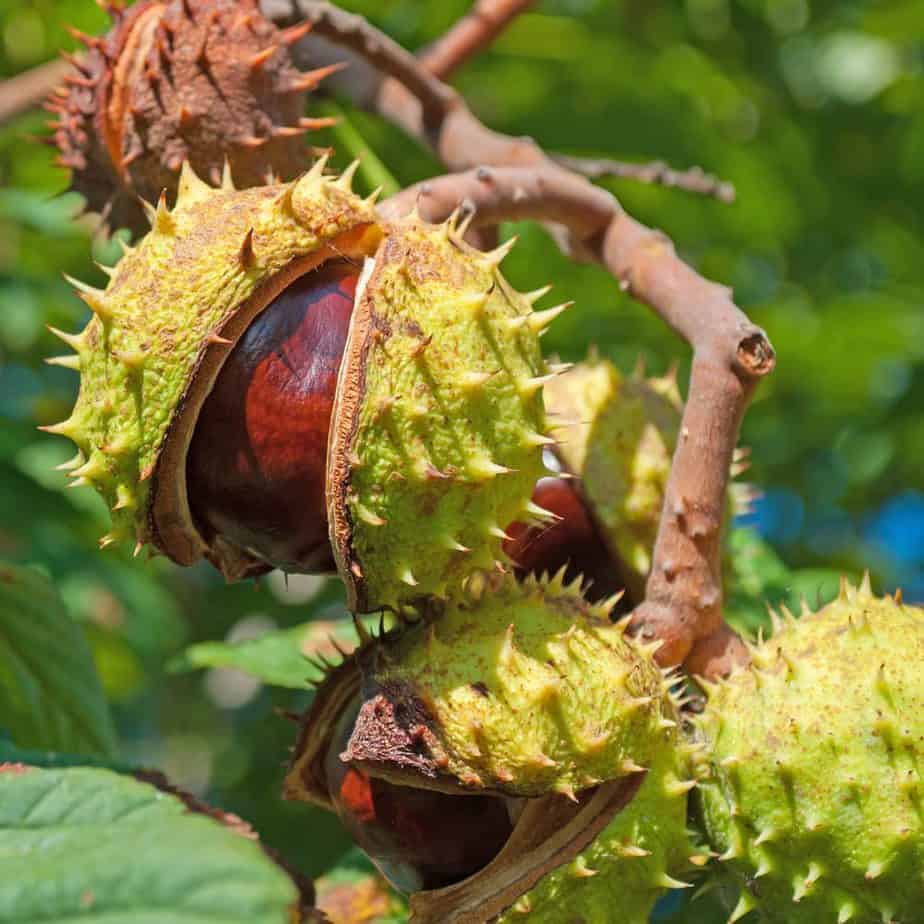
Kinsey loved collecting special items and stored them in her drawer, hiding her secrets from public view like a possessive squirrel. At times, there was an unpleasant smell emanating from the depths, and she reluctantly gave up a blackened banana and the old cheese sandwich. Her favourite items were treasures found outside, such as stones, leaves and conkers.
She was also a determined magpie and whenever small items magically disappeared, they would be stored in her drawer. I never tackled her in front of the other children, feeling her tension vibrate like a plucked guitar string. Instead, I would potter around the classroom after sending the children out to play and wait for her to put on her coat. Kinsey was always the last to go, a lonely little figure preferring to stay close to adults rather than tackle socialisation. As she picked a special ‘jewel’ to hold from her drawer, I would casually ask if the pencils, or whatever had gone missing, had got in there by mistake. These would magically appear on the table.
My teaching assistant, Jenny, and I worried about Kinsey, devising individualised learning opportunities. Jenny took her and a few other children outside to gather inspiration for a poetry unit we were doing and reported back to me that there had been no smiles but the child had certainly been listening and looking intently as Jenny led them from tree to tree, sharing her knowledge. Beech and hazel nuts were added to Kinsey’s drawer that day.
The following week, when I was teaching poetry again, the day was glorious, so the entire class went outside, armed with clipboards, paper and pencils. I asked the pupils to find a special tree, flower, or something else from nature to draw and then write about. I trailed Kinsey to the far end of the field, where an old horse chestnut tree had been felled. Kinsey sat on the floor, stroking the freshly exposed growth rings, and her tears fell. We sat silently.
“It’s so sad,” she whispered.
I nodded, my heart banging so loudly, I felt sure she would hear it.
She willingly wrote words down to form a collective poem that day - dead, sad, not fair, cruel. Jenny and I praised her contribution enthusiastically. When we displayed her work on the wall, her set lips rose proudly.
Gradually, she regained speech. That horse chestnut tree remained in my mind as the key which unlocked her silence, enabling her to express her sadness, rage, and an absolute joy in nature’s beauty.

8/17/2026
The Words That Got to Me
"half-perched, ready for flight again moments later" you capture beautifully how she is never quite settled or secure. "feeling her tension vibrate like a plucked guitar string" a real Wow line. I can immediately understand her emotional state. No further explanation needed.
Suggestions / Possible Tweaks
One thing that caught me was ‘electively mute’. I believe ‘selective mutism’ is the term more commonly used today, although ‘elective mutism’ was certainly used in the past, so this may simply reflect the terminology used at the time. The ending could maybe trust the reader a little more… ‘enabling her to express her sadness, rage…’ tells us something you have already shown so wonderfully.
There are some lovely observations throughout this, Rachel. Kinsey comes across so clearly as a real child, particularly in the little details: following one step behind, constantly moving around the classroom, and that drawer filled with everything from treasured conkers to a decidedly less treasured old cheese sandwich. The moment that really got me, though, was wonderfully simple: ‘It’s so sad,’ she whispered. Knowing this is creative non-fiction makes those three words all the more powerful. After two years of silence, it wasn't encouragement or persuasion that finally brought her voice out, but her genuine distress at seeing that old horse chestnut felled. I can only imagine what was going through your mind as you sat beside her, desperately trying not to disturb the moment. A beautifully told memory, made stronger by the restraint with which you tell it. There would have been every temptation to make Kinsey's first words into a grand moment, but instead there is just a child grieving for a tree and a teacher quietly sitting beside her. Beautiful.