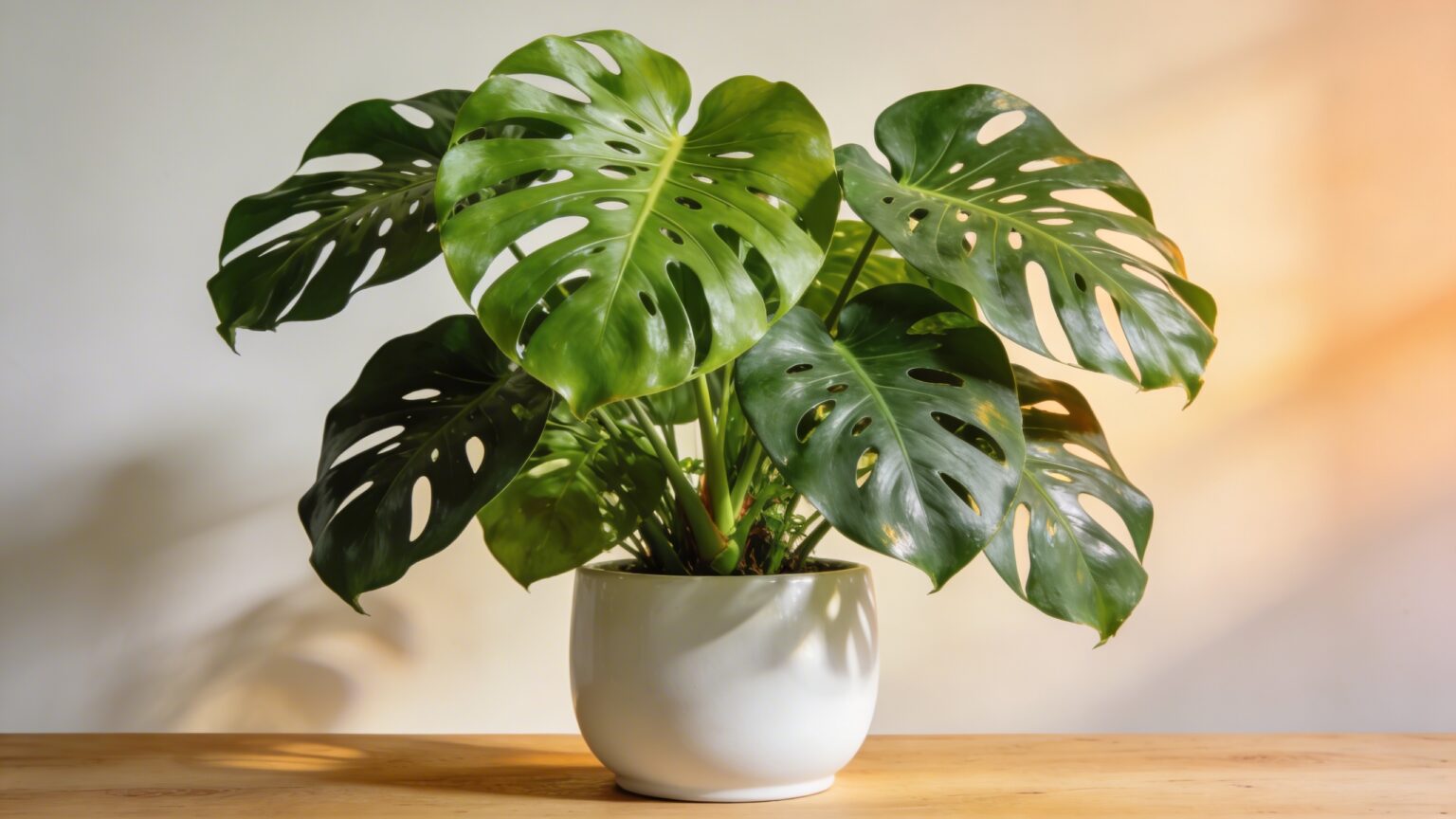
Glorious Gladys
There you are. I found you; Specimen 328, in a tray of carbonated pellets. My dear, dear friend, please don’t fail me now. I know you’ve been through so much and I’ve asked you to cope with so much deprivation. You must survive. You are our brightest hope for the future.
Do you remember that first day of life? Your mother plant stood tall and energetic besides you, urging you to grow. You pushed your way into the light, pale green and fragile and I touched your one quivering leaf with wonder. I named you Gladys because you gladdened my heart that day. Your pink stalk was matchstick thin, barely able to maintain you, and I worried for your survival.
I should have had faith in you. Every day, you grew a little sturdier, a little richer in colour. Your stalk turned deep scarlet and your one leaf was soon joined by a multitude of others, variegated and beautiful to my eyes. Your mother plant clung to the side of the pot as you dominated the space with new, young vigour.
The transplant day was terrifying for me, Gladys, as I gently extracted you from the pot, collecting your sprawling white and tender roots in my laboratory gloves. I was so worried I’d left some of your delicate roots entangled in your mother’s. I secreted you home from the lab in my pocket, unwilling to leave you alone overnight and watched you recover with anxiety.
I should have believed in you. You treated your new pot like the adventure of a lifetime, merrily flourishing. Within a month, you had doubled in size, and your oldest leaf was now glossy, parakeet green. Your strong stalk shone like a beacon, revelling in its height. You were glorious, Gladys.
At times, I was guilty of over-loving you, pouring too much water into the compost. Your roots became saturated and shuddered, sending excess water flooding into the dish below. You withstood it with queenly tolerance.
Then came the drought and, foolishly, I decided you needed more sunlight and placed you centre-stage on the windowsill. Imagine my shame when I found that yellow curl developing on one of your splendid leaves. Your pain as I removed that scar can hardly be imagined. I am so sorry, Gladys.
The world outside our window was scarred with carbon overload and plants were being savagely removed from the landscape to make room for grey, lifeless buildings. Forest fires, destroying your distant cousins, no longer renewed the land but left black stubble in their wake. There were fewer roots to soak up flood water and habitation for animals dwindled. Carbon dioxide levels grew, and oxygen levels decreased exponentially.
You still flourished, my beauty, soaking up my carbon dioxide and thrusting oxygen back at me. If only it had been just me and you, we could have lived in symbiotic harmony forever.
But the Earth was dying, Gladys, and something drastic had to be done.
I scurried away, frightened and protective, when I saw the first call-up papers. I made sure no-one glancing in the window could see you and even hid you in the bathroom for a while, until your leaves began to curl and lighten. I’m so sorry.
At the laboratory, we were urged to follow up on every lead to track down available functional greenery. Functional greenery was what they called you, my Gladys. The television and internet cried out for available plant life, given by people breathing through oxygen masks and then, increasingly, by AI robots as people began to die from carbon dioxide overload.
You do see why they needed help don’t you, Gladys? By now, you were a glorious one-metre-high specimen in your prime with an ability to soak up an enormous amount of carbon.
I can hardly bear to remember the day you were dragged from my loving arms. I didn’t give you away willingly, Gladys, you must believe me. An informant had caught sight of your beautifully veined canopy, peeping out of the window. Your leaves fluttered in the toxic air and my heart sank as you were locked inside the white van before disappearing. All I was left with was a piece of paper, announcing the requisition of specimen 328.
You should have had faith in me too, Gladys. I would never abandon you. I sought you out, determined to find and care for you. I wheedled my way into a specialist job at the botanist facility and the day I wiped dust from your proud leaves again, I wept with both joy and sorrow.
Do you remember our last day on Earth? Of course you do. You were removed from your pot and wrapped in horticultural fleece, laid in a sealed box and placed in the flight deck alongside me, other scientists and a few rich and famous. Lift off was terrifying, appearing to both burn and chill my innards. I dreaded to think what was happening to you, without a pot to guard you.
Landing on Mars, we followed procedure and were guided into the air pods to begin our new, heated and arid existence. Inside the giant greenhouse, you sit, re-potted, in a long line with your associates, poked and prodded as the scientists measure your carbon and oxygen rates tirelessly. You and those like you are our only hope of survival Gladys. We need your oxygen-giving properties more than ever.
Do you remember the day I found you in the greenhouse? I found you and wept over your dry leaves. Poor Specimen 328 with your scarlet stalk and multitude of leaves turned to a ghost of your former glory. Your stalk was dull brown and your leaves wilted as if weeping in return.
Today, I found two leaves in the pot, yellow and discarded. I pleaded with you to survive, not only for the good of all mankind but because I love you. I am so sorry for what we have done to you, my glorious Gladys.

6/7/2026
The Words That Got to Me
I loved the sense of irony you convey. Humanity's salvation dependant on the very thing it spent generations destroying. The voice in this is very strong, what starts as an almost humorous account of a woman talking to a plant develops into an almost confessional and intimate account, where the plant also becomes a central character in its own right.
Suggestions / Possible Tweaks
Like any plant, sometimes a little trim can make the whole healthier. The middle section could be tightened slightly, with some of the beats covering the same emotional ground as those before and after.
How did you make me care so much for a houseplant? I have a brown thumb; it kills anything green in a pot, so to manage that, Rachel, is pretty good going. Beneath the environmental warning and science-fiction backdrop is a simple story about love, guilt, stewardship and loss that you manage to bring out so well that I find Gladys haunting my thoughts for some time after having finished reading about her.