Every Wednesday, she arrives
precisely at noon
pulling her small shopping cart
ever so slowly …
black patent-leather handbag
gripped firmly in her gloved left hand
gray galoshes
guiding her tentative steps
red knitted hat
atop soft white curls
Every Wednesday, same order
accentuated with a hesitant smile:
“Egg salad on rye.
Side order of coleslaw.
Black coffee – no sugar.”
Every Wednesday, same booth
room for two
next to the window
by the sidewalk
out of harm's way
close to the restroom
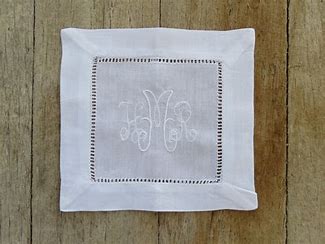
Every Wednesday, one white linen handkerchief
gently lifted from inside her handbag
spread carefully on her lap
over her worn, blue woolen coat
smoothed with tenderness
by once beautiful hands
now spotted with age
stiff with arthritis
Every Wednesday, one photo album
perhaps 4x6
perhaps 5x7
floral cover
plastic sleeves
lifted from shopping cart
thumbed through with reverent care
as she dines
A moment of respite
A half hour with fading Kodak smiles
An hour set aside to feel whole once again ...
Until
The napkin slips and tumbles
beneath her table
down onto the sticky, well-traveled
wooden floor
She hesitates for a moment ...
Her hands shake
with increasing intensity
knowing that
to bend over and retrieve it,
even ungracefully,
is nearly impossible
She awkwardly begins to stand
but suddenly sits
Instead, she slides
one booted foot forward
hoping it will connect
with the napkin
It doesn’t
But rescue is
only two
booths away:
He, too, is worn, like her coat
He, too, is a “regular”
Always sports a red-striped tie
and a brown fedora ...
He moves slowly,
but he recognizes
need coupled with pride
panic coupled with propriety
fear coupled with dignity
Before she is completely
set adrift upon an ocean of despair,
he stiffly slips out of his booth
and walks toward her
He is smiling slightly
as he slowly bends
and retrieves the now
crumpled monogrammed square
and graciously returns it
to its grateful owner
"Thank you," she quietly responds.
"Please. Would you care to join me?"
And he does ...
Every Wednesday, I watch
from the safety
of my own booth of
cushioned comfort and anonymity
I watch, but I do not
offer assistance
I am silent
I am ashamed
I am a perfect student
of disconnected connectedness
and self-imposed social distancing
I, too, am one napkin away
from losing my dignity
But ...
I look away
and continue eating …
The last bit of croissant
catches in my throat
as I continue to look away
and swallow hard
My coffee is cold
I could use a refill
The service is so poor here
and yet, I return
every Wednesday ...
One Napkin Away
Free Verse: Disconnected Connectedness
Reviews (3)
4/9/2026
The Words That Got to Me
The line 'thumbed through with reverent care' really cemented the woman's character and history. I loved this triplet: 'need coupled with pride panic coupled with propriety fear coupled with dignity' - the outward facade and the inner, intensely vulnerable human.
Suggestions / Possible Tweaks
None to offer!
I loved the story-telling here - a simple episode made into something touching and relatable.
4/9/2026
The Words That Got to Me
"pulling her small shopping cart ever so slowly … black patent-leather handbag gripped firmly in her gloved left hand gray galoshes guiding her tentative steps red knitted hat atop soft white curls" With your opening, you immediately draw a vivid picture in my mind. I can see this old lady and can already know there is a story here. The repetition of "Every Wednesday" works well in creating structure and ritual. Through it, I can feel her quiet loneliness. The ordering scene, the "Egg salad on rye" gives me a specific imagery. It grounds the poem in believable mundanity. As for the napkin. This is the core of the poem, the linchpin on which the tale revolves, and it loads the whole story with both dignity and vulnerability.
Suggestions / Possible Tweaks
The biggest problem is that you don't trust your subtlety, which leads to heavy over-explanation. You carry your scenes with deep emotion that we see through your descriptive writing then you flatten what we see by telling us “with reverent care” “A moment of respite” “to feel whole once again” “set adrift upon an ocean of despair” Trust your voice and let your vision speak. I feel the weakest part of the poem is the observer section, where you watch and then spell out everything we have already observed “I am silent / I am ashamed” “perfect student of disconnected connectedness” “self-imposed social distancing” This isn't wrong, just you explain rather than dramatising it.
This has great potential. The premise of the lonely old lady, the napkin, the man helping her, is the real emotional heart of the story. Trust your storytelling and trust the reader to see what you see. Don't tell us it's all about loneliness, or dignity or shame. We can see that. And in the narrator section, let me feel the guilt rather than be told how he feels. This poem shows excellent observational skills and presents us with a strong central figure. A moving poem about ageing and quiet dignity, where loneliness is interrupted with a gentle connection. When you trust this core and remove the explanations and padding, you will be left with a powerful poem of social commentary.
4/9/2026
The Words That Got to Me
What stayed with me most in this poem was the quiet ache of it. The repeated “Every Wednesday” gives the piece such a steady, ritual-like rhythm, and that repetition beautifully mirrors the woman’s routine, her loneliness, and the fragile dignity she is trying so hard to preserve. I especially loved the small, careful details: the red knitted hat, the white linen handkerchief, the photo album lifted with reverent care. Those details made her feel immediately real to me, and they built such tenderness around her presence that by the time the napkin falls, the moment carries far more emotional weight than its simplicity might suggest. What really deepened the poem for me, though, was the turn at the end. It becomes about much more than one woman dropping a napkin. It becomes about the uncomfortable distance people keep between themselves and each other, even while recognizing their shared vulnerability. The line “I, too, am one napkin away / from losing my dignity” was the line that hit hardest for me. It takes the poem from observation into truth.
This is such a quietly powerful piece. It understands that sometimes the smallest moments reveal the biggest things about loneliness, pride, aging, and human connection. I also really appreciated that the rescue came not from the speaker, but from another regular who recognized both the need and the dignity in the moment. That choice made the poem feel even more honest. There is a sadness here, but also a deep humanity. This one will give me something to think about tonight.